



I fondly remember the days when Huawei was considered the de facto premium Android smartphone brand, when you wanted solid hardware and amazing cameras back in an era when smartphone photography was still an afterthought, and there were improvements year over year.

Especially in the years 2017 to 2019, leading up to the P30 Pro, which was the very last phone to ship with Google Mobile Services before the brand got hit with the US trade restrictions. The P10 had a genuinely great camera system, and the P20 Pro pushed the limits in smartphone photography, being the first-ever device with a triple camera.
Now, Huawei still has flashes of brilliance with its hardware despite how hard the brand was hit, and using this Huawei nova 16S Pro immediately reminded me of those good old days, albeit with some caveats that, sadly, can make or break a user’s experience on a Huawei device.

First, some housekeeping. The nova 16S Pro currently sits at the very top of its nova midrange lineup, priced at an SRP of Php 44,999 for the sole 12GB+256GB configuration. It goes up against the likes of the Samsung Galaxy S25 FE, the Honor 600 Pro, the Xiaomi 17T Pro, and the base iPhone 17.
However, there is a promo from October 30 to December 31, 2026, where there is a Php 5,000 discount, alongside three freebies worth up to Php 14,997, like HUAWEI FreeBuds SE2, a nova gift box, and a Huawei Care package that includes two free screen protector replacements for one year, and another year of warranty.
BUILD

Huawei’s devices, thankfully, stand out from the crowd quite literally. With a body that is 163mm tall, 78mm wide, and 7.1mm thin (not counting the massive camera bump), it weighs a substantial 218g, and it has an IP65 water and dust resistance rating.
However, that weight comes from the premium materials used in the body, such as the Frosted AG rear glass, the aluminum frame, and the front Kunlun Glass that’s touted to be incredibly drop- and wear-resistant, but you’ll most likely leave the built-in screen protector on there and use the included hard plastic clear case to show off the back panel’s design.

It comes in three colors: Isle Blue, Starry Black, and the iconic Breathing Crystal color, which is a pink-blue gradient with a wave-like shimmer design. In fact, some of them said it reminded them of a Minion from Despicable Me, which, at least, makes it look unique. Props to Huawei for making a device that actually looks different, as polarizing as others have found it.
But aside from that, it just looks like every other device out there right now. Flat edges, two buttons on the right side (volume and a combo power/fingerprint scanner button), speaker grille, USB-C, and your nanoSIM card slot at the bottom.
However, things seem a bit more, er, inspired, when you look at it from the front.
DISPLAY AND MEDIA

You can see the clear inspiration on the front when you turn on the screen. Don’t get me wrong, it’s a lovely display, being a 6.84-inch LTPO OLED display. It has a fairly high resolution of 2856 x 1320, an adaptive refresh rate of 1-120Hz giving it the ability to save battery on static images and to have an always-on display, and a maximum peak brightness of up to 6000 nits.
It’s essentially on par with a flagship phone display, though, with configurable color modes if you prefer your colors on screen to be a little more saturated. In fact, this may have the best-sounding stereo speakers I have heard on a smartphone, with depth that sounds like it’s coming from a laptop rather than a smartphone, even better than my iPhone 17 Pro Max.
However, the inspiration comes in the “pill” at the top of the screen. It’s no Dynamic Island, nor does the software have any tricks to simulate it, but it’s all camera hardware.
CAMERA(S)

This phone is full of cameras. And while midrangers often throw in random camera sensors to up the camera count for advertising purposes, Huawei is actually making good use of these sensors, and the performance backs it up.


The rear has four sensors. Nothing new, but the main camera is a 200MP, 1/1.28” sensor with a 23mm f/1.8 equivalent lens with OIS, two 50MP sensors for the ultrawide (13mm f/2.2 equivalent) and telephoto (88mm f/2.6 equivalent with OIS). All three of these use Huawei’s RYYB (Red, Yellow, Yellow, Blue) color filter sensor for better low-light performance, which debuted all the way back in 2019 with the P30 Pro.


On the other black disc with the flash is the “True-to-Color Camera”, which is a color spectrum sensor that allows for more accurate white balance and color capture of the scene, which can also be found up front beside the 50MP selfie camera, hence the need for a pill cutout.

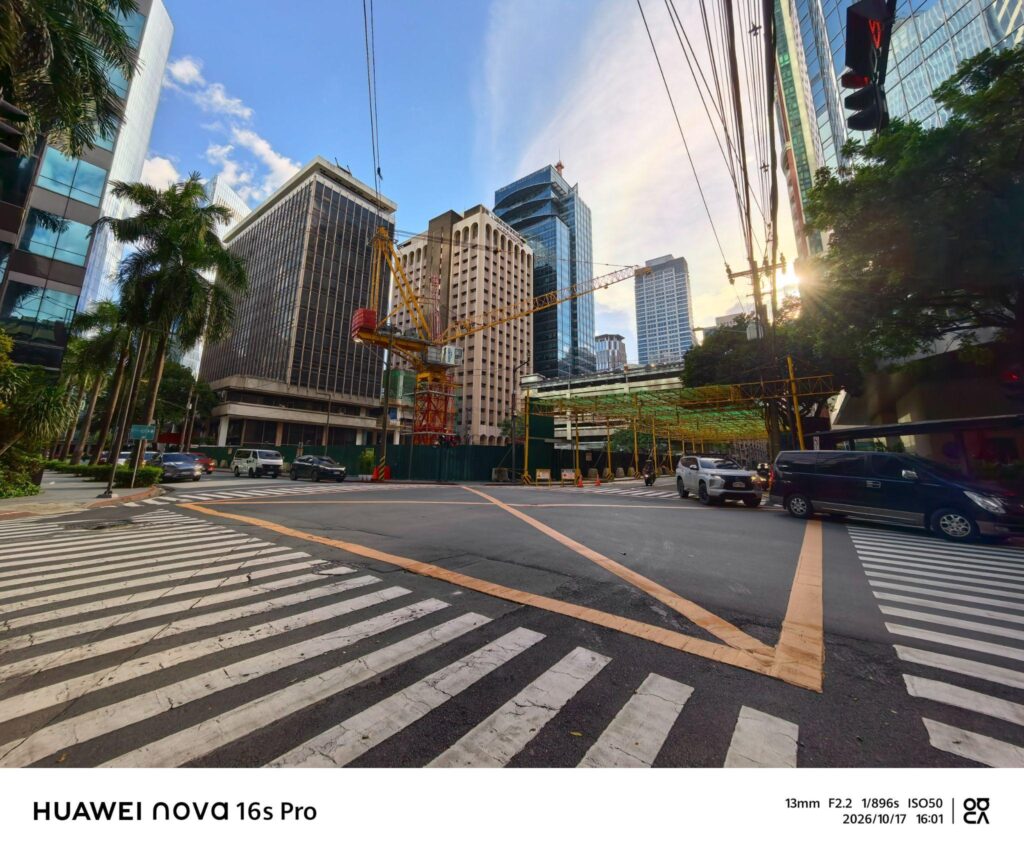

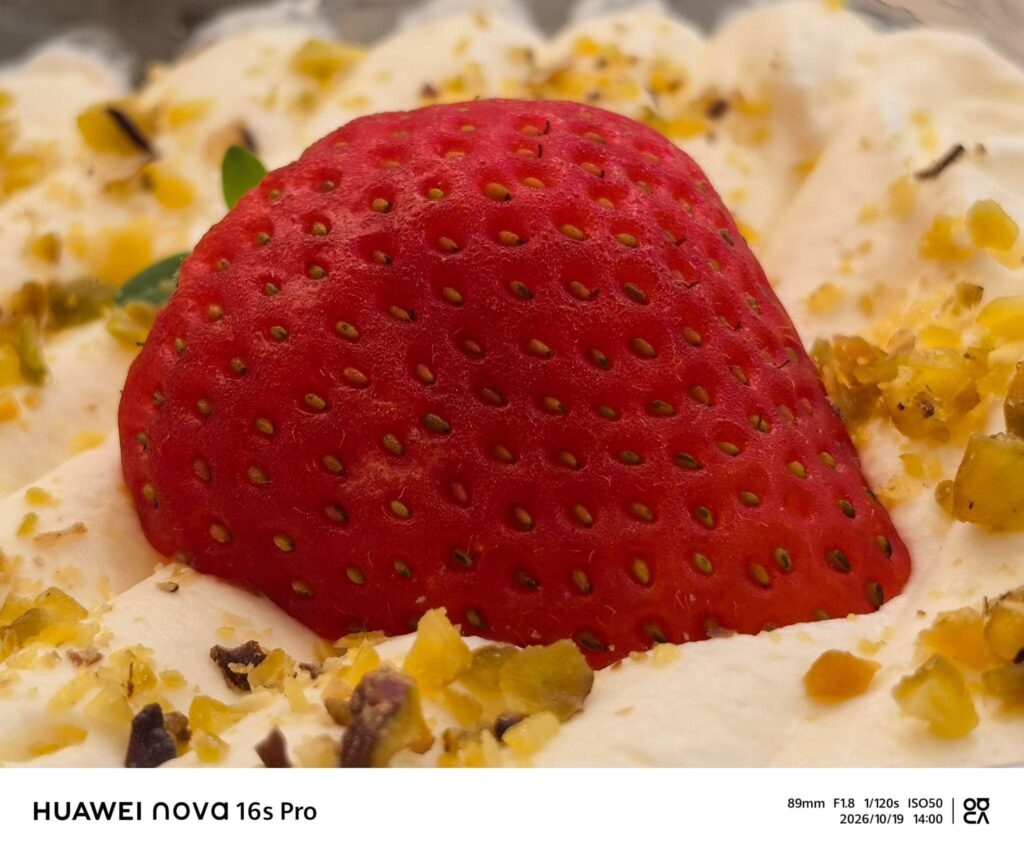
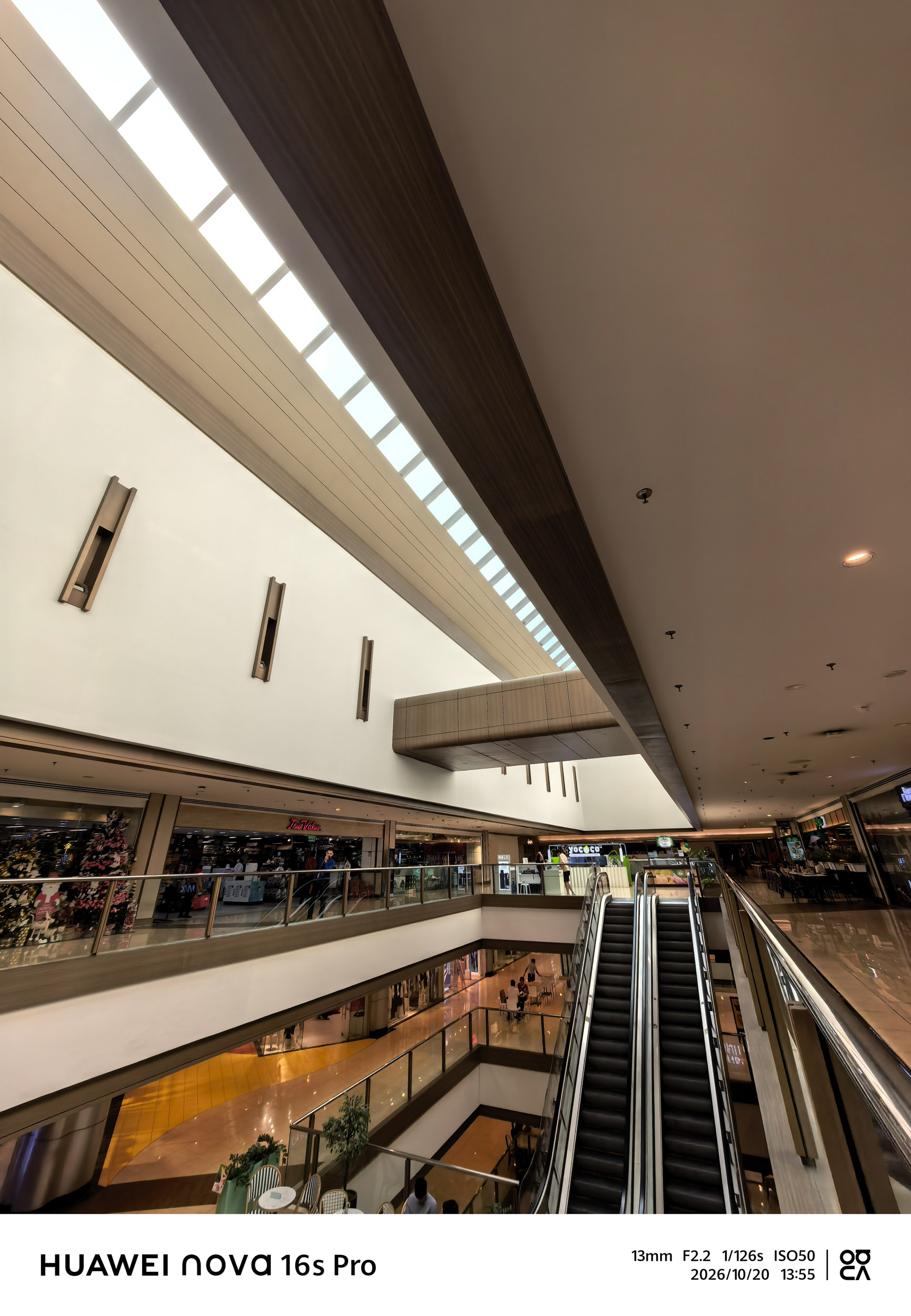
And what can I say? The photos taken from this phone are simply lovely, with good dynamic range without looking too unnatural, and a great amount of detail across all three lenses, though the phone’s AI processing is responsible for making it a little too clean at times– giving off artificially sharp results when pixel peeping.


The RYYB sensors make this a joy to shoot in low light, with cleaner results (thanks to lower ISO) compared to other equivalent phones. And with the 50MP selfie camera, well, this allows it to zoom in from 0.8x all the way to 5x, if you want to get creative with your selfies. However, I’d personally keep the selfie at the widest setting because zooming in would cause the AI sharpening to kick in.
The interface is very minimalist (and iOS-inspired, like everyone else) and easy to use, with a Pro mode buried within the other menus. Videos cap out at 4K @ 60fps, which is more than enough, especially considering you only have about 256GB of storage to work with.


There are also a couple of AI photo editing tricks, like AI Composition (reframing the image), AI Move (allowing you to move a subject around), AI De-glare, which removes distracting reflections, and AI Best Expression which gets the best face from multiple group photos.
PERFORMANCE AND SOFTWARE

The nova 16S Pro is powered by the Kirin 9010S chipset, which is a 7nm octa-core chip with 5G connectivity. The latter is important because this chipset debuted with the Pura 80 in 2025, and not all Chinese devices come with 5G connectivity out of the box for international markets.

However, this does not support eSIMs, so you’ll want to take note of that if you come from an eSIM-equipped device. However, it makes up for that in terms of its signal strength for 5G, with stronger-than-usual reception in crowded areas.
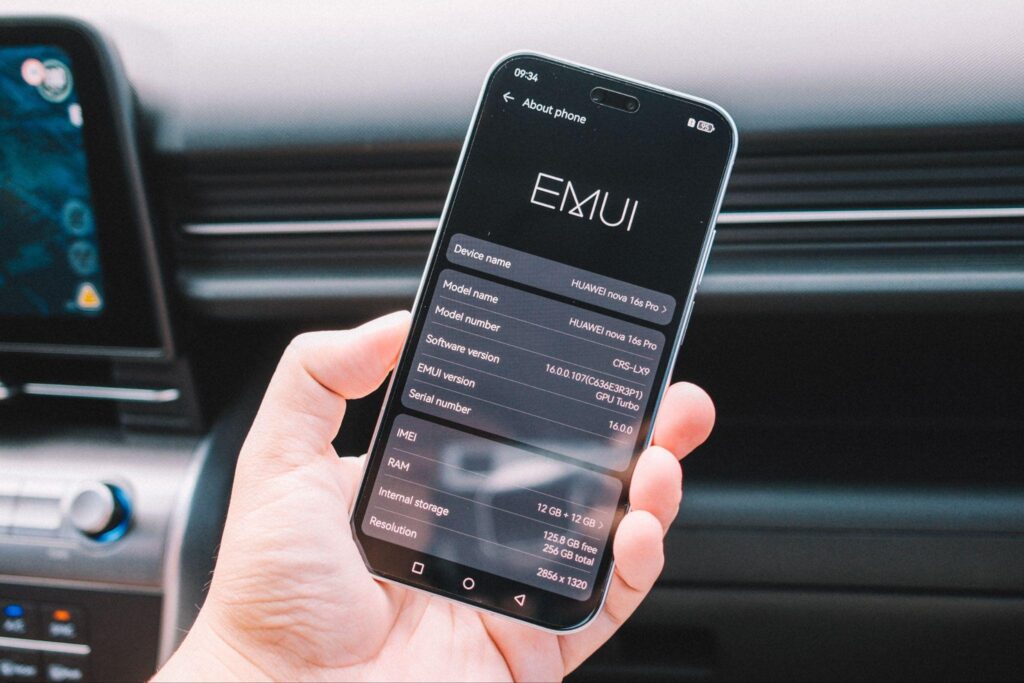
General performance on EMUI 16 (based on Android 16) is very smooth and straightforward. It can play fairly demanding 3D titles like Honkai: Star Rail on high settings especially with Huawei’s cooling system, but don’t expect it to be as smooth other phones with stronger chips. It comes with a lot of bloatware pre-installed that you can delete, thankfully.

However, it comes with a lot of pre-loaded Huawei apps, which is because this phone does not have Google Mobile Services built in. You can get away with using the Huawei AppGallery, but with how tied everyone else is to Google, they’ll inevitably want to find these Google apps.

There is a way to get them and enable them, but it’s considerably janky. For legality’s sake, I won’t go fully into detail, but it’s one of the first things the phone suggests you install during the setup, and getting all the different apps (Maps, Google Keyboard, Gmail, YouTube, Chrome, and the Play Store) will require you to set aside a good amount of time. In fact, if you rely on push notifications, well, you won’t be getting most, if not all, from apps like Gmail.
BATTERY

Like every other phone from China right now, the nova 16S Pro comes with a large 7,000mAh battery that’s capable of recharging at speeds of up to 100W using the included Huawei SuperCharge Turbo charger. If you use anything else, well, expect speeds to be sluggish, and it’s your only way of topping up the device, as wireless charging is nonexistent in this device.
The efficiency of the chip and the large battery mean it’s been fairly hard for me to kill this device in a single day, easily making this a 1.5-day device when using it for doomscrolling, consuming media, playing 3D games, and using the camera a lot, but your mileage may vary depending on your usage patterns.
VERDICT

Huawei’s strong suit has always been the hardware and its cameras, especially with the years of experience they have behind them. You can see what they’ve learned in this phone’s camera and image quality, and the hardware of this phone is satisfyingly solid and premium-feeling, especially with how phones like the iPhone 17 have jumped in price to almost flagship-level pricing thanks to the AI-pocalypse.
Arguably, this is the phone to get at its price range if you care about image quality and a phone that stands out with its unique looks, but if you rely on Google services, well, you have to either put up with the workarounds or, sadly, look elsewhere, which is the harsh truth caused by the US trade sanctions that affect Huawei to this day.