



BYD Cars Philippines took things in a different direction in letting us try their new car. See, they recently launched the all-new Sealion 5 DM-i. This crossover sits at a pretty price point of PHP 1,248,000 (introductory price of PHP 1,198,000) making it the most attainable SUV in their lineup. Perfect for us tall hatchback-loving Filipinos.


Instead of a usual drive and technical courses on the destination, BYD made us go through a workshop about plastics and how one organization is trying to fix it all. And during the trip towards Subic where the workshop was conducted, I also came to realize a few things about their new car.
The Sealion 5 is almost the same size as the Sealion 6
Some thought the Sealion 5 would be a lot smaller than the Sealion 6 but that’s not the case. The difference in size between them is marginal. If you want proof, here it is:
| Sealion 5 | DIMENSIONS | Sealion 6 |
| 4,738mm | LENGTH | 4,775mm (+37mm) |
| 1.860mm | WIDTH | 1,890mm (+30mm) |
| 1,710mm | HEIGHT | 1,670mm (-40mm) |
| 156mm | GROUND CLEARANCE | 173mm (+17mm) |
| 2,712mm | WHEELBASE | 2,765mm (+53mm) |
| 520L | CARGO SPACE | 552L (+32L) |
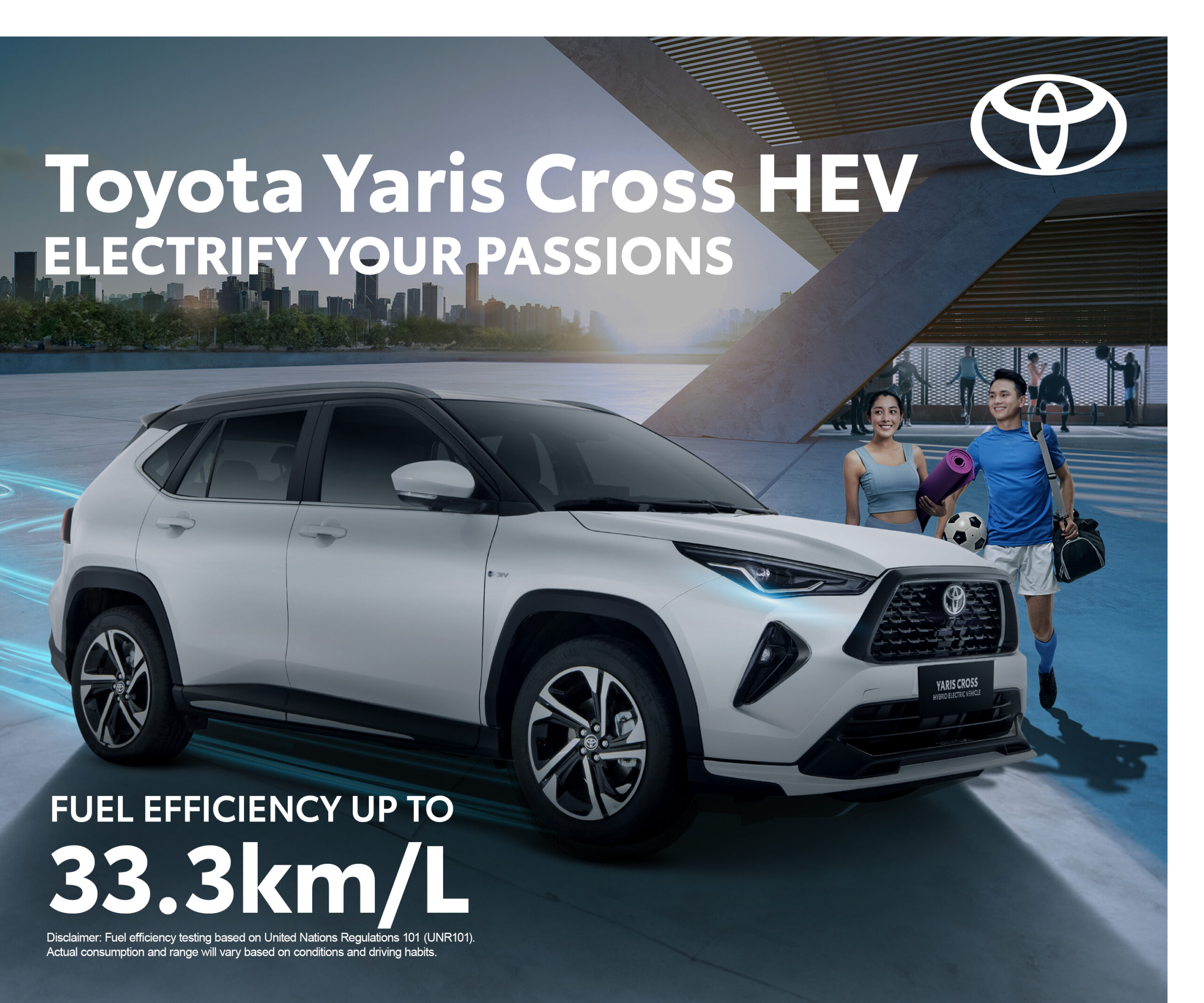
It’s bigger than other popular crossovers in its price point like the GAC GS3 Emzoom, the Honda HR-V, Hyundai Creta, and Toyota Yaris Cross. It’s even bigger than the Ford Territory.


If you still have doubts about space, know that 3 big guys rode in 1 car during the drive. And on the second day, the 2 widest sat on the first row and we weren’t cramped at all.

The private sector is the one acting again
BYD Cars Philippines introduced us to One Earth One Ocean (OEOO), a Non-Government Organization that decided to do clean-up operations in the Philippines. They started their activities in “Freedom Island” and Parañaque River that both end up in Manila bay. During their first cleanup activity, they were able to get 33.6 tons of plastic in just 7 days.


Helping them in their cleanup is the SeaCow or Circular Explorer. This mecha-platform is powered by the same technology as BYD’s DM-i system. It has an generator but the majority of its energy is harnessed from the batteries. The difference from the DM-i system is that SeaCow uses solar energy to charge its batteries.

They are currently focused on cleaning up Manila Bay as much as they can. Daniel Scheler, President of OEOO Manila, said they’re getting around 500 kilos of plastic waste per day. If they want a noticeable cleanup, they’ll need around 2,700 units of the Circular Explorer for one day. That’s how dirty Manila Bay has become.
Sealion 5 is still powerful and frugal, despite our weight
The all-new Sealion 5 isn’t lagging behind the Sealion 6 when it comes to power. It has 197PS/300Nm compared to the latter’s 197PS/325Nm. The difference lies in their battery as the SL6 has 18.3 kWh while the newer Sealion 5 only has 12.3 kWh. Despite that, the Sealion 5 still has over 1,000km of combined range and in BYD’s own test, it reached 1,400+ km.


In our drive, we were able to average 20km/l despite running at 100km/h most of the time on the highways and having 3 big guys inside the car. The most efficient in our drive had 3 averaged sized people and averaged 21.2km/l. The figure could be higher if you’re driving within the city, as the car uses its EV mode more at city speeds.
We ingest a lot of microplastics per week
The most surprising fact I learned is probably about microplastics. We think the plastic garbage in our land and seas only affects the animals, that if it’s far from our home we won’t be affected. Turns out there’s a thing called microplastics. According to Daniel Scheler, the amount of microplastics we ingest in a week is enough to make a credit card. Imagine that amount of plastic in our system.
What is the source of microplastics? Seafoods ingest it and it not only goes to their stomach but in their muscle fibers, gills, and other organs. However, there are far more mundane sources. Synthetic fiber can give off microplastics when washed. Even our vanity products that use beads are sources of it as well. This is why it becomes airborne and inhaled by us.
We need a circular economy
We must move away from a linear economy and into a circular one if we want to have a healthier environment for the future. Linear economy pertains to sourcing new materials every time you make a product, consuming it, then disposing of the used product into the trash. This means that you’re building more and more trash, while you keep sourcing material for a new product.
In contrast, a circular economy puts the product back into the cycle for a new one. But apart from recycling, there are other aspects to the circular economy that are highlighted by 7 Rs. That is Recycle, Reuse, Reduce, Rethink, Refuse, Rot, and Repurpose. We need to Refuse things like bringing ecobags into the grocery so we’re not offered new paperbags or ecobags anymore. We need to let things that rot go back into nature so that it will help the cycle of the environment itself. But mainly, most of the Rs are about recycling so that you don’t need fresh materials for a new product every single time.
Sealion 5 DM-i chose a price point, but made the right compromises


If you compare the BYD Sealion 5 DM-i to other crossovers in its price point, you’ll surely notice some amenities it lacks. Even against the cheaper Seal 5 DM-i sedan, the new Sealion 5 has a smaller touchscreen at 10 inches. Then there’s the lack of panoramic sunroof, power adjustable seats, 360-camera, and Advanced Driver Assist System among others.


It’s not totally vanilla though. It still has creature comforts like Dual Zone Climate Control, the modern cabin layout, rear air vents, Tire Pressure Monitoring, Cruise Control, and V2L capability – more than enough for daily driving and weekend getaways.
Whatever it lacked that you think you need, it more than made up for in fuel efficiency and range. In today’s decreasing value of the peso, the instability in the oil countries, and inexplicable taxation, the price of fuel will only go up and up. The full tank price of today will be a half tank very soon.

Having a car that will eke out more distance from your full tank is more crucial now than ever. One can go full EV for better savings, but then the current pace of charging networks may hinder your travel itineraries. The BYD Sealion 5 DM-i is your best bet for a go-anywhere car that will pay for itself in the long run.